Across the Middle East, demolition work comes in many forms. In fast-growing cities like Dubai and Riyadh, contractors are clearing old villas to make space for new developments. In industrial zones across Saudi Arabia and the UAE, small crews handle interior strip-outs, utility trenching, and concrete removal in tight spaces.
In many of these jobs, large excavators simply don’t fit. That’s where mini excavators shine and the right demolition attachment makes all the difference.
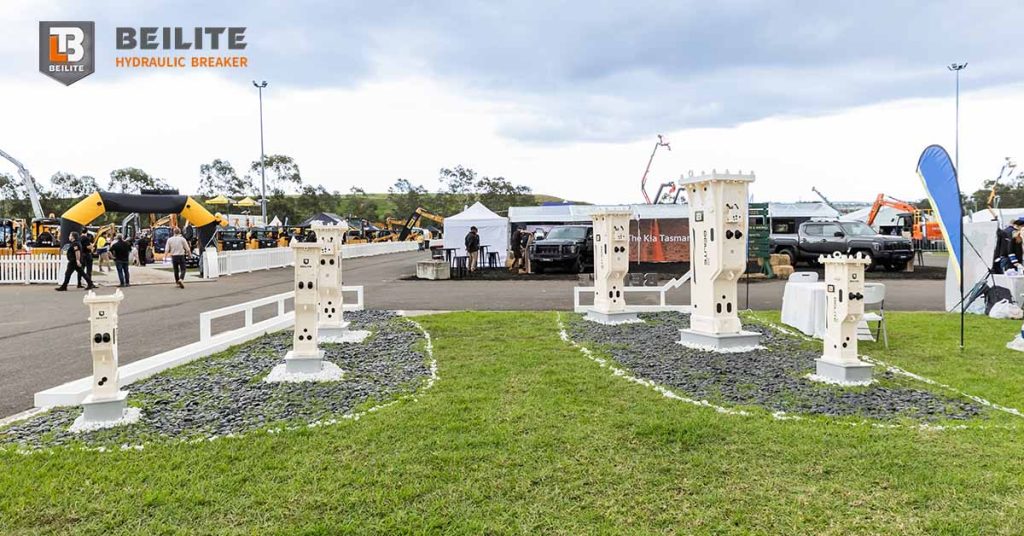
Here’s a practical look at the top 10 demolition attachments for mini excavators that contractors across the Middle East rely on.
1. Hydraulic Breaker (Mini Hammer)
The hydraulic breaker is the most common demolition attachment and for good reason. It’s ideal for breaking concrete slabs, small foundations, asphalt, and even light rock.
For urban projects where noise regulations are strict, many contractors choose box-type (silent) breakers. On residential jobs in cities like Dubai or Doha, this attachment is often the first tool on site.
For hydraulic breaker contact us
2. Hydraulic Crusher (Concrete Pulverizer)
When reinforced concrete needs to be removed, a hydraulic crusher is far more efficient than a breaker alone. It crushes concrete while separating rebar, making cleanup faster.
For building renovations and partial demolitions, especially in densely populated areas, crushers reduce vibration compared to heavy impact tools.
3. Demolition Grapple
A demolition grapple is perfect for sorting debris. After concrete is broken, the grapple allows operators to pick up steel, wood, and mixed waste quickly.
On Middle Eastern job sites where labor costs are rising, grapples help reduce manual handling and speed up site clearing.
4. Hydraulic Shear
Mini excavator hydraulic shears are increasingly popular for cutting steel beams, pipes, and metal structures. In industrial demolition projects, especially in oil and gas facilities, precision cutting is essential.
Shears allow controlled dismantling without sparks or excessive noise—important in sensitive environments.
5. Tilt Rotator
Though not strictly a demolition tool, a tilt rotator dramatically improves attachment flexibility. It allows the operator to rotate and angle tools without repositioning the excavator.
In tight city streets or inside building interiors, this added control saves time and improves safety.
6. Rock Bucket (Heavy-Duty Bucket)
After demolition begins, debris needs to be moved. A reinforced rock bucket handles sharp concrete, stones, and compacted material without wearing down quickly.
Many contractors in the Middle East invest in heavy-duty buckets due to abrasive desert conditions and high temperatures that accelerate wear.
7. Ripper Tooth
For breaking up compacted soil, asphalt edges, or softer rock before using a breaker, the ripper tooth is a simple but effective solution.
It’s affordable, low-maintenance, and highly useful in road repair and pipeline trenching projects common across the region.
8. Screening Bucket
In countries where material recycling is becoming more common, screening buckets are gaining popularity. They separate reusable material from debris directly on-site.
This reduces hauling costs and aligns with sustainability goals that are increasingly emphasized in Gulf construction projects.
9. Compactor Plate
After demolition and trenching, backfilling and compaction are often required. A hydraulic compactor plate attached to a mini excavator provides strong, even compaction in confined spaces.
It’s especially useful for utility and drainage projects in urban developments.
10. Auger Attachment
For fencing, foundation posts, and light structural installations following demolition, augers provide fast drilling capability.
Mini excavators equipped with augers are frequently seen on residential and commercial redevelopment projects across the Middle East.
Why Mini Excavator Attachments Matter in the Middle East?
The Middle East construction environment presents unique challenges:
- High temperatures
- Compact urban spaces
- Strict safety regulations
- Growing sustainability requirements
Mini excavators paired with specialized demolition attachments offer flexibility, mobility, and cost efficiency. Contractors can switch between tasks breaking, sorting, lifting, compacting—without bringing in additional heavy equipment.
This reduces fuel consumption, transport costs, and crew size while maintaining high productivity.
Choosing the right attachment depends on the project type. For interior demolition, crushers and grapples are key. For roadwork, breakers and compactors dominate. For industrial dismantling, shears and tilt rotators provide precision.
In short, the right attachment transforms a mini excavator from a simple digging machine into a complete demolition solution.
FAQs
1. What is the most important demolition attachment for a mini excavator?
The hydraulic breaker is typically the most essential attachment because it handles concrete, asphalt, and light rock common materials in demolition projects.
2. Are mini excavator demolition attachments suitable for high temperatures in the Middle East?
Yes, but it’s important to choose heavy-duty models designed for hot climates. Regular maintenance, proper greasing, and hydraulic system checks are critical in extreme heat.
3. How do I choose the right attachment for my mini excavator?
Consider your excavator’s weight class, hydraulic flow rate, and the type of material you’ll be handling. Always ensure compatibility and consult with a trusted supplier for proper sizing.
Beilite Machinery Co., Ltd.
+86 183 5766 9906
+966 50 019 8571
+6282321982255
 English
  Arabic