
Traffic booths and toll cabins may be small, but they are notoriously difficult to demolish. They are usually built with reinforced concrete, located in high-traffic areas, and surrounded by sensitive infrastructure. For contractors, using the right hydraulic breaker for traffic booth demolition is essential for safety, speed, and cost control.
This guide explains how hydraulic breakers are used in traffic booth demolition, what to look for when selecting one, and how to achieve efficient results with minimal disruption.
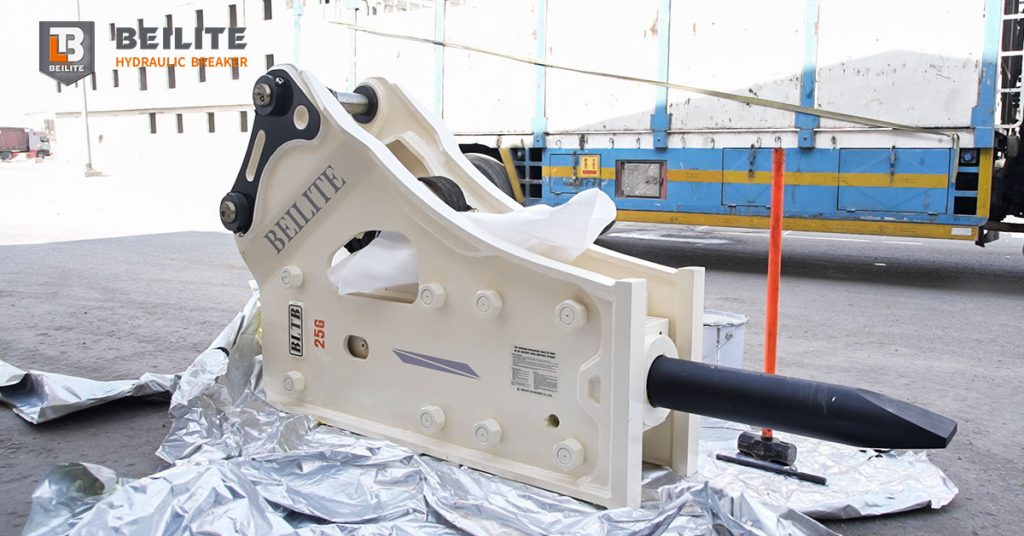
Why Hydraulic Breakers Are Ideal for Traffic Booth Demolition?
Traffic booths require controlled, precise demolition, not brute force. Hydraulic breakers are widely preferred because they:
- Deliver high impact energy in confined spaces
- Allow selective breaking without damaging nearby roads
- Reduce vibration compared to blasting or heavy demolition tools
- Can be mounted on compact or mid-size excavators
Compared to manual breakers or saw cutting, excavator hydraulic breakers significantly reduce labor time and project duration.
Typical Demolition Challenges at Traffic Booth Sites
Contractors face unique challenges when demolishing traffic booths:
- Reinforced concrete walls and foundations
- Limited working space due to lanes and barriers
- Active or partially active traffic flow
- Underground utilities and drainage systems
A properly selected hydraulic breaker for demolition ensures precise control and minimizes the risk of collateral damage.
Operator Must Choose the Right Hydraulic Breaker for Traffic Booth Demolition
1. Match the Rock Breaker to the Excavator Size
Traffic booth demolition typically uses excavators in the 6–20-ton range. The hydraulic breaker must match the excavator’s:
- Operating weight
- Hydraulic flow rate
- Operating pressure
An oversized breaker can cause instability, while an undersized one increases demolition time.
2. Consider Concrete Strength and Reinforcement
Traffic booths often use high-strength reinforced concrete. Choose a medium to heavy-duty hydraulic breaker with sufficient impact energy to break through rebar-reinforced sections efficiently.
For slab and wall removal, a higher impact frequency improves productivity.
3. Select the Appropriate Hydraulic Breaker Type
Different breaker designs suit different demolition conditions:
Side-mounted hydraulic breakers: Ideal for precise control and visibility
- Top-mounted breakers: Suitable for continuous breaking of foundations
- Silenced (box-type) hydraulic breakers: Recommended for urban and highway environments
- Silenced breakers help contractors comply with noise regulations during daytime demolition.
Best Practices for Safe Traffic Booth Demolition
Control the Demolition Sequence
- Start by breaking:
- Roof structures
- Wall panels
- Foundations and footings
This top-down approach improves stability and reduces uncontrolled collapse.
Minimize Vibration and Dust
- Use short, controlled impacts
- Avoid continuous dry firing
- Apply water spray to control dust
These practices protect nearby pavement, signage, and utilities.
Protecting Surrounding Infrastructure
Traffic booths are often located near toll equipment, barriers, and lighting systems. Hydraulic breakers allow selective demolition, preserving reusable components and reducing repair costs.
Maintenance Tips During Demolition Work
Demolition environments are harsh. To keep the hydraulic breaker operating reliably:
- Grease the breaker regularly
- Inspect chisels and replace worn tools
- Monitor hydraulic oil temperature
- Avoid striking exposed rebar repeatedly
Routine checks reduce downtime and extend breaker service life.
Benefits for Contractors Using Bydraulic Breaker
Using the right hydraulic breaker for traffic booth demolition provides:
- Faster project completion
- Lower labor costs
- Improved site safety
- Reduced noise and vibration impact
- Better control in tight working zones
These advantages are critical for projects with strict timelines and traffic management requirements.
Summary:
Traffic booth demolition demands accuracy, efficiency, and safety. A well-matched hydraulic breaker allows contractors to dismantle reinforced concrete structures quickly while protecting surrounding infrastructure and maintaining traffic flow.
By choosing the correct breaker type, following best practices, and maintaining equipment properly, contractors can complete traffic booth demolition projects with confidence and control.
Keywords:
Hydraulic breaker for demolition, excavator hydraulic hammer, concrete breaking equipment, silenced hydraulic breaker, side-mounted hydraulic breaker, heavy-duty hydraulic breaker
FAQs
1. What size hydraulic breaker is best for traffic booth demolition?
Most projects use hydraulic breakers matched to 6–20 ton excavators, depending on concrete thickness and reinforcement.
2. Are silenced hydraulic breakers required for highway demolition?
In many regions, yes. Silenced hydraulic breakers help meet noise regulations in urban and highway environments.
3. Can hydraulic breakers damage nearby roads during demolition?
When used correctly, hydraulic breakers provide controlled breaking and minimize vibration, reducing the risk of damage to surrounding pavement.
Beilite Machinery Co., Ltd.
40008-40008
+966 50 019 8571
+6282321982255
 English
  Arabic